Sunday, November 20, 2016

What motivates photojournalists

What motivates photojournalist are very different for each person some may do it for the fame and the chance to get their names recognized, others do it for the love of art while other photojournalist it because they want to and they can, other photojournalist do it of the fame and name recognition Greg Marinovich did it to let the whole world know what was going on in South Africa


gregprofile
photo taken by Greg Marinovich


https://iconicphotos.wordpress.com/tag/greg-marinovich/

here is a photo taken by Greg Marinovich, he spent most of his time covering the conflict that was going on in South-Africa between the whites and the blacks. this was a trying time in the history of South Africa the horrific scene like the image above. Marinovich was bale to capture to tell the story of what was happened over there. his motivation was the let the rest of the world see what he was seeing and it times it was dangerous but he did it.


Street Photography with Yakubu
photo taken by Yakubu

He is simply motivated by the fact he wants people to see his country Rwanda for the beautiful country that is.


photo taken by Yakubu

In this image he is showing a street kid how to use the camera he want to teach children how to overcome tragedy and still make something beautiful. http://www.vayando.com/rwanda/kigali/street-photography-with-yakubu/ Yakubu does not want to make people feel sorry for him or his country but just help then learn about his culture and how they have survived.


photo by Dan Eldon
Somalia image of conflict

Here is this photo is Dan Eldon in the middle with children from Somalia where he spent time covering what was happening there it seem like all photojournalist are motivated whether is self interest or to try and educate the world they each have their own way of being motivated and how they passed long what they find.


what motivates me are my
 Family.
Education
steady income


Monday, November 14, 2016

Bias and Photojournalsim


Image result for "Going Home", taken by Life Magazine photojournalist Ed Clark:
Photo by - Ed Clark Image Source - http://www.thegreatleapsideways.com/?

In Ed Clark "Going Home" I see Gram Jackson playing a song  "Going Home " on his accordion as President Frankly Roosevelt funeral passes by. in this photo I see man truly moved by the death of our President of the president who brought our country together as one people. this image shows  the sadness and emotion not just Jackson but the people surrounding him.

 This image has a shallow depth, rule of thirds, subject's expression the black and white gives it the old vintage style look. it allows people to look closely a the expression of the people  and feel the pain in their eyes and faces.


Hillary Clinton makes a concession speech in New York
 photo by Jewel Samad
source of image: http://www.usatoday.com/story/news/politics/elections/2016/11/09/hillary-clinton-concession-speech/93536168/

Truth image: this image show a woman who has gracefully except her defeat in great strive, she looked sad that she lost but at the same time happy for her opponent. To me she looks confident and her smile speaks volume about her. she is very comfortable in the skin. This image was taken on the morning after she lost the election. according to professor Nordell  we must know the importance of publication that show us imagery   since the photo was taken by Jewel Samad of the AFP he was sent to capture images from this historical election, I am not sure if there is any bias here because of the fact that her was assigned to take the photos for AFP.  although the AFP is an international journalist new agency they cover more of the national new all over the world.

 the obvious main subject: in this photo the main subject is Hillary Clinton and her lost, her concession speech,in the back ground is her husband, running mate.

Keeping it simple: The photographer just kept this image simple and the image make us focus on the Hillary Clinton.

This image makes you feel sad because of the fact that she did not win she would have made history as the first woman president,  the look in her face says it all, sad yet happy for the outcome of the election.


Image result for photo by george merillon


photo by George Merrilon
image source http://www.georgesmerillon.com/en

I think that image is not telling the whole truth, it has been in enhanced to dramatized the truth for viewers to see whats happening in Iraq. to me it looks like solders have been placed to make it look more according to https://www.vocabulary.com/dictionary/ bias is defined as a partiality that prevents objective consideration of an issue or situation
https://www.vocabulary.com/dictionary/bias#s33578
 
I chose this image because of the dark background, and its over dramatized  for the viewers

this images clearly show the power that these soldier have over the men on the floor


Monday, November 7, 2016

Ethics in Photojournalism


The NPPA has a set of guidelines/codes of conducts for journalist to follow https://nppa.org/code_of_ethics , there are about 9 codes that every photojournalist must abide by whether they are reporting from the front lines they must make sure that they are accurate in what they are reporting or taking pictures they should not change any thing about the image they have, distort it, also must make sure they respect their subject and give them dignity. in the case of one of TV journalist Brian William faking a war story
Image result for brian williams

photo by http://deeterusa.com/a-pr-miss-for-brian-williams/
 http://search.myway.com/search/AJimage.jhtml?&n=782b686e&p2=%5EBNF%5Exdm007%5ETTAB02%5Eus&pg=AJimage&pn=1&ptb=B29878BD-6E3A-4AFF-B885-42C633E2BC90&qs=&searchfor=brian+williams+faking+war+story&si=CLqFnq73lNACFcsmhgodNEQAIA&ss=sub&st=tab&tpr=sbt&trs=wtt&imgs=1p&filter=on&imgDetail=true
 here is  a video of his 2003 story Jonathan Mahler,
http://www.nytimes.com/video/business/media/100000003496099/how-brian-williamss-iraq-story-changed.html?action=click&contentCollection=business&module=lede&region=caption&pgtype=article

but despite all the rules and regulations that has been set in places so journalist  follow and they don't

break these rules some how it always happens all the time some journalism seem to think they can decide on what type of news that can report.according CBS news Brian Williams faked his 2003 Iraq war story "NBC "Nightly News" anchor Brian Williams says he falsely recounted a story that he was in a helicopter that was hit by ground fire in Iraq in 2003 in part because he was "scared" about the events that were unfolding around him." http://www.cbsnews.com/news/brian-williams-talks-about-false-iraq-war-story/

after his story was found to be true he was NBC put him on a six months suspension and and he was removed from his night time news position.

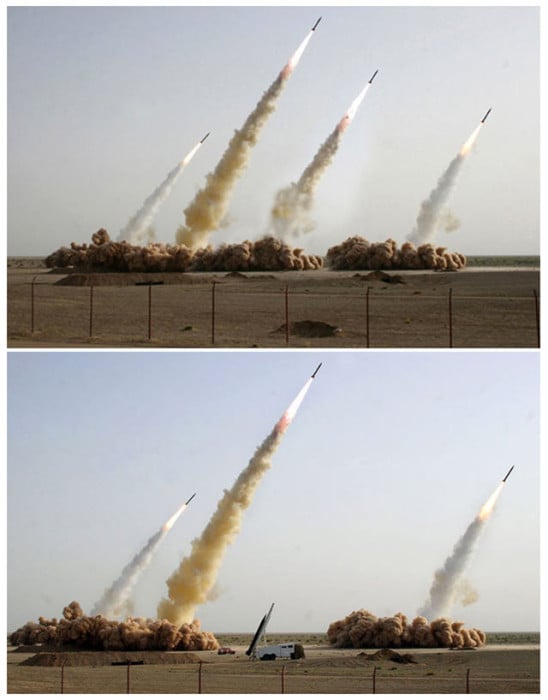
here is an example of an image that has been alter
Image result for images of photojournalist alter photohttp://petapixel.com/assets/uploads/2015/08/Altered-
Images_IranWEB-e1438636494698.jpg


photo by Mercy Dankyi-Amoah


 my personal take on ethics is that we are each have the understanding of choosing the right way of telling or retelling of events that happens. after that story of Brian Williams came out that he lied he apologized to the public, his bosses, co,worker, but that time it was too late. although Brian Williams was only suspended and did not really face any sort of any permit punishment  but his reputation, principles,integrity was questioned by NBC and follow worker.At some point we all make mistakes as long as we recognized it and expect whatever consequences that follows.


Sunday, October 23, 2016

History of photojournalism


Based on my knowledge and research photojournalism is defined as a way of us keeping our history and preserving memories and it is also a way of telling story through pictures to provide us with information so we can understand what is going on the other side of the world. photojournalist try to find stories to tell us that is meaningful, and would be interesting to us the reader, viewers. One website http://photography.lovetoknow.com/History_of_Photojournalism.

according to  Frank Luther Mott, historian and dean of the University of Missouri School of Journalism really became familiar after World War II (1939-1945). Germany's photo magazines established the concept, but Hitler's rise to power in 1933 led to suppression and persecution of most of the editors, who generally fled the country. Many came to the United States. and The time was ripe, of course, for the establishment of a similar style of photo reporting in the U.S. Henry Luce, already successful with Time and Fortune magazines, conceived of a new general-interest magazine relying on modern photojournalism. It was called Life, launched Nov. 23, 1936.
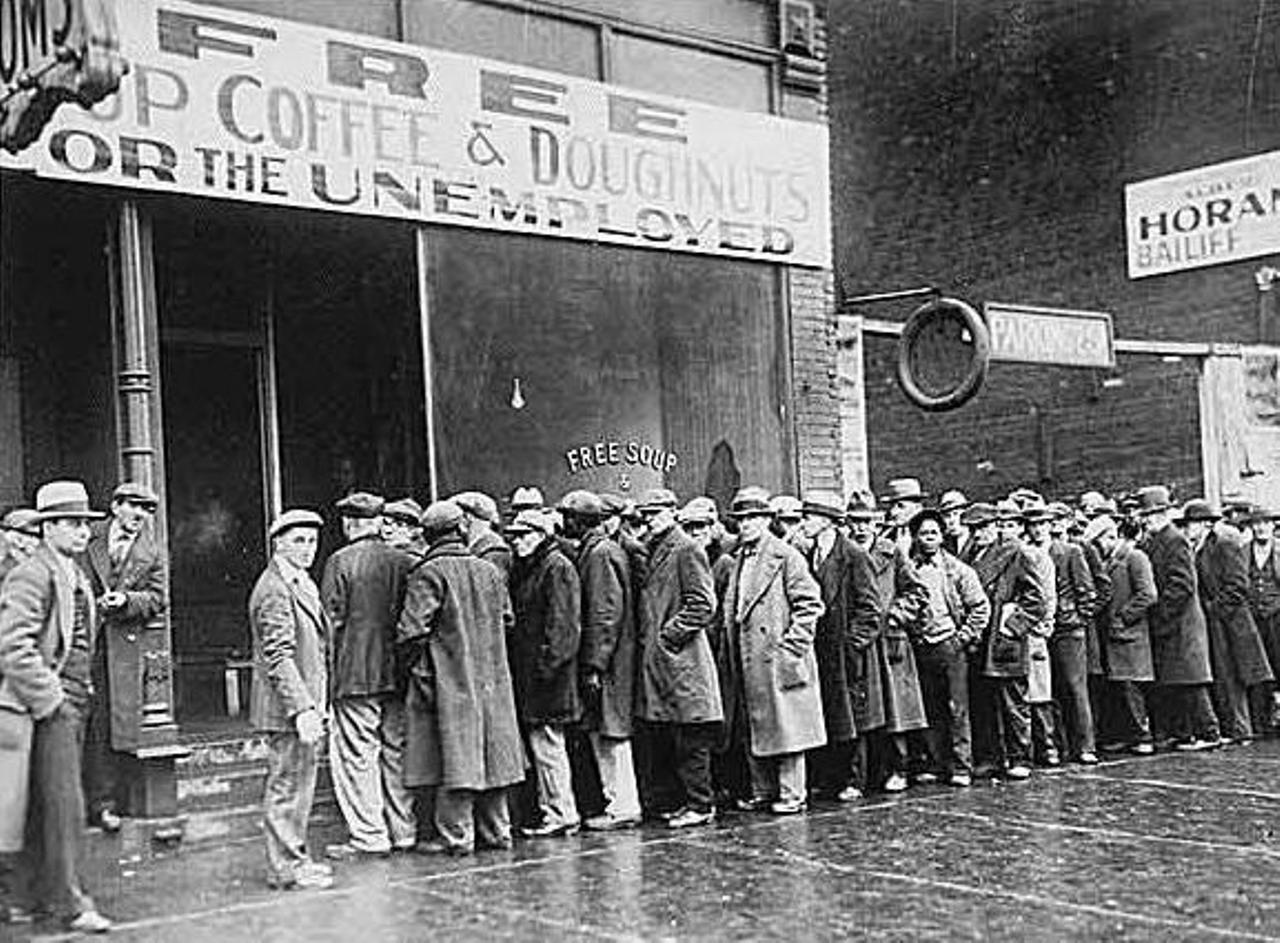
 knowing the importance of photojournalism it helps us know our past and present we are able to go back and take a look at our past during the war, great depression, women getting jobs all this makes great history of journalism. all this are what makes photojournalism good we keep our past and present.
Image result for Brief History of Journalismhttps://www.nyfa.edu/student-resources/wp-content/uploads/2015/04/walter-cronkite.jpg
 this an image of one of the most famous journalist Walter Cronkite
Great Depression
photo by https://historymartinez.files.wordpress.com/2012/07/great-depression-a.jpg

Here is my time line powerpoint

Friday, October 21, 2016

Can Photographs Change the World?


Yes photojournalism will change the world; we live in an age where everything is being captured on camera whether if it’s through a cell phone or through the lens of a professional camera. We have to report and capture the news as it happens, they also allow us to see and know what is going on around the world.
As we progress through the years and technology also progression photography and photojournalists are going to more needed than ever. Capturing what’s going around the world through the lens and then on print speaks volume.

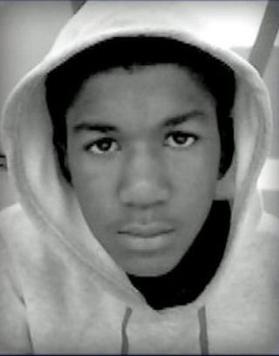
One of the photography that has had an impact in my life is the shoot death of Trayvon Martin, Looking at the image of him in that hoody that picture capture the innocent of a child. Then I look at my child and think that is this going to happen to my child, his hits close to home for me because I have two young boys that I have to rise  and I often think about this case and the circumstances involving the of this young man. a lot of time we often don't here about such local news coverage, now that people have phones that have cameras things are no longer kept in the dark any more. Photograph and photojournalist going to places and capturing and videoing we are able to know and see what goes on the other side of states or the world.

here is a little information about Trayvon http://www.infoplease.com/biography/var/trayvonmartin.html

Sunday, October 9, 2016


One of the first researchers to produce photographic images using silver halide chemistry was Schultze. As early as 1727, he formed metallic silver images by first reacting solutions of silver nitrate and white chalk and then exposing these solutions to light through stencils. Schultze's work was improved upon through the efforts of Louis Jacques Mandé Daguerre who, in 1837, developed a process for printing images on a silver coated copper plate. This type of printed image, called a daguerreotype in honor of its primary inventor, is made by polishing and cleaning a silver-coated copper plate and then reacting the silver coating with iodine vapors to form light-sensitive silver iodide. The silver iodide coated plate is then exposed to light through the optics of a camera that projects and focuses an image on the plate. In the ensuing reaction, the silver ions are reduced to silver metal. Finally, the plate is treated with mercury to produce an amalgam. In this type of print, the areas of the plate exposed to light appear white and the unexposed areas remain dark. The problem with this method was that it required long exposure times because the intensity of the image depends solely on the strength of the light forming the image.

Read more: http://www.madehow.com/Volume-4/Photograph.html#ixzz4LJwjnTFd